


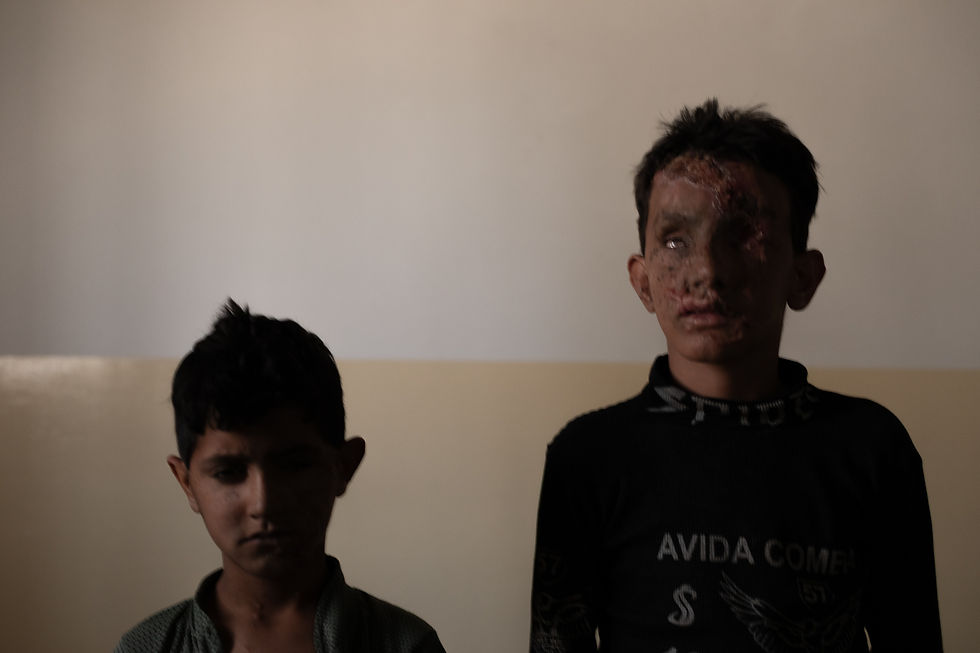


Nearly fourteen years of war have left Syria heavily contaminated by landmines, unexploded ordnance and improvised explosive devices (IEDs).
The most affected areas are concentrated along former front lines and territories that witnessed prolonged fighting, particularly in the north-east of the country. Governorates such as Raqqa and Deir ez-Zur remain among the most contaminated, while large agricultural areas in Hama continue to pose significant risks to those who depend on the land for their livelihoods.
Following the fall of the Assad regime in December 2024, millions of displaced Syrians began returning to their homes. As villages are repopulated and farmland brought back into cultivation, encounters with explosive remnants of war have increased. Farmers and children are among those most exposed to hazards hidden beneath the soil or concealed within damaged buildings.
According to humanitarian organisations working in Syria, the scale of contamination is among the largest in the world, and clearance efforts are expected to take between 25 and 40 years.